How to Organize a Local Game Night
Organizing a local game night can be a fun and rewarding way to bring your community together. However, understanding how to effectively plan and execute this type of event requires some thought and strategy. This guide will provide you with practical insights and proven approaches to help you create a memorable experience.
Understanding the Basics
Before diving into the logistics, it's important to grasp the foundational elements that make a game night successful. According to community engagement studies, gatherings that foster interaction and friendly competition can enhance social bonds and create a sense of belonging. Research suggests that community-driven events can increase local participation by 30-40% in similar settings.
"Community events that encourage interaction often lead to stronger social ties and increased local engagement." - Community Development Expert
Planning Your Game Night
Once you understand the significance of your event, the next step involves planning. Here are key aspects to consider:
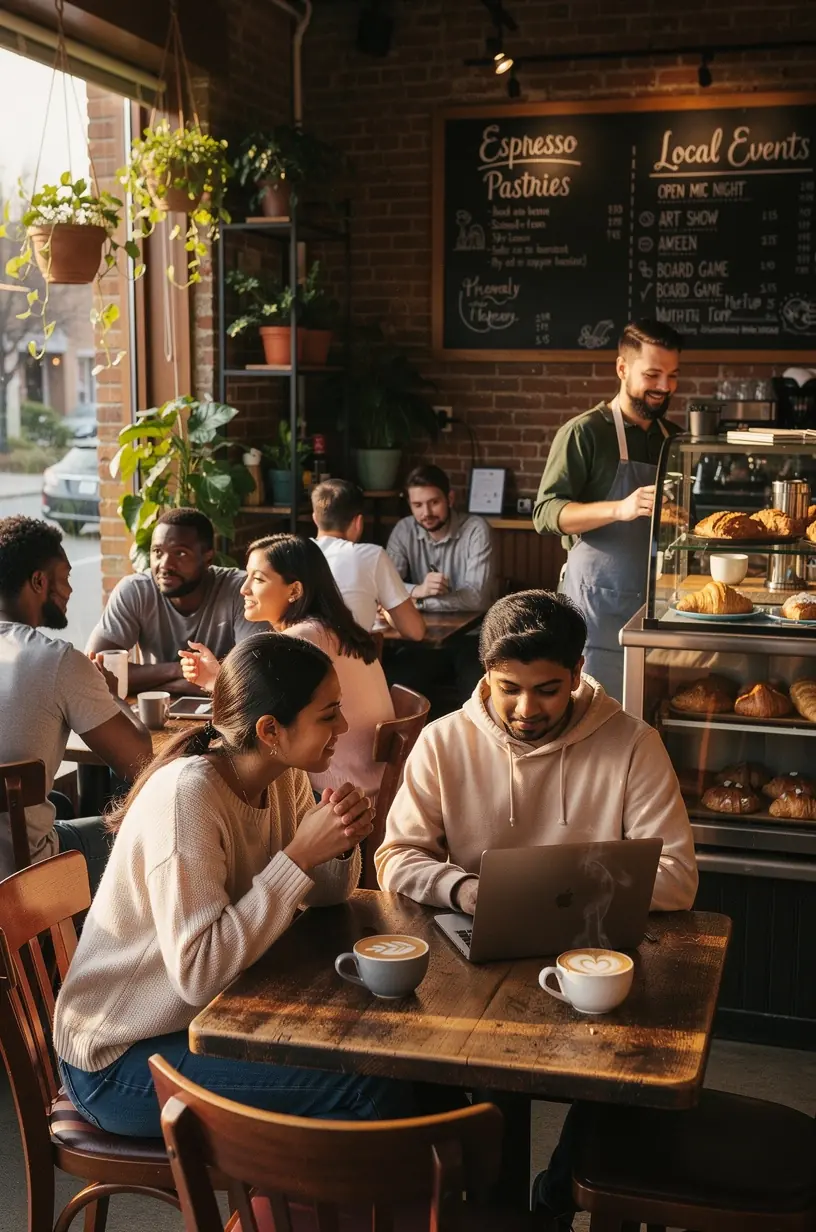
- Choose the Right Venue: Look for a location that can accommodate your expected guests comfortably. Many users report that community centers or local cafes work well due to their casual atmosphere.
- Set a Date and Time: Aim for a day that typically has fewer competing events. Weekends often work best, but consider conducting a quick survey within your community to find the most suitable options.
- Select Games Wisely: Depending on your audience, choose games that cater to various skill levels and preferences. Experts recommend having a mix of board games, card games, and perhaps video games to encourage broad participation.
Promoting Your Game Night
Effective marketing is crucial for attendance. Here are some strategies:
- Utilize Social Media: Create an event page on platforms like Facebook or Instagram. Studies show that social media can increase outreach significantly, with many users reporting higher engagement through these channels.
- Leverage Local Networks: Connect with local clubs, schools, or organizations that might be interested in attending. Word of mouth can often attract a larger crowd than traditional advertising.
- Offer Incentives: Consider providing light refreshments or small prizes for game winners to boost excitement. This approach often encourages participation.
Executing the Event
On the day of the event, preparation is key:
- Set Up Early: Arrive early to set up tables and games. Typically, a 1-2 hour setup time is advisable.
- Engage with Guests: As the host, actively engage with participants to create a welcoming atmosphere. Many successful hosts report that interaction helps break the ice and encourages participation.
- Facilitate Games: Be prepared to explain rules and facilitate games. Familiarizing yourself with the games beforehand can ensure that the event runs smoothly.
Post-Event Follow-Up
After your game night, consider gathering feedback to improve future events. Engaging with attendees through surveys or social media can help you understand what worked well and what could be improved. This practice is generally recommended by event planning experts for continued success.
Conclusion
Organizing a local game night can be a fulfilling experience that brings your community together. By following these practical steps and remaining open to feedback, you can create an enjoyable environment that promotes interaction and fun. Remember, the key is to keep it engaging and inclusive, fostering a sense of belonging within your community.