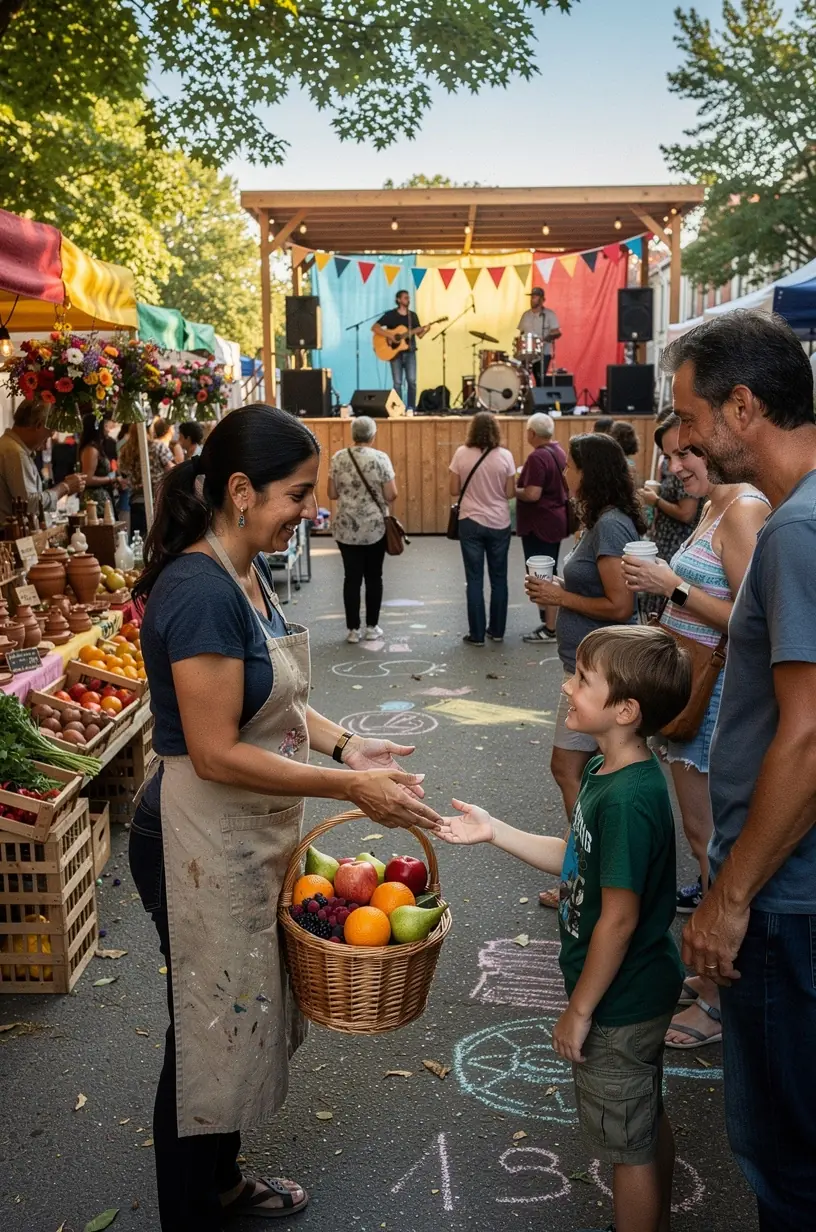
Exploring Community Engagement Through Meetups
In an increasingly digital world, the importance of face-to-face interactions remains crucial. Community meetups serve as a powerful mechanism for fostering connections, enhancing social networks, and engaging local residents in meaningful activities. In this article, we explore how organized meetups can drive community engagement and the various benefits they offer.
The Importance of Community Engagement
Community engagement plays a vital role in building a sense of belonging and shared purpose among residents. According to a study by the National Civic League, communities that actively engage their residents often see improved social cohesion and increased participation in local activities. Engaging with your community can lead to:

- Stronger social ties and relationships
- Increased awareness of local issues
- Enhanced feelings of safety and belonging
How Meetups Facilitate Engagement
Meetups are informal gatherings that can take many forms, from game nights to local performances and discussion groups. They typically appeal to diverse interests and demographics, allowing for a broad range of participants. Here's how meetups contribute to community engagement:
1. Creating Spaces for Interaction
Meetups provide a structured yet relaxed environment where individuals can connect over shared interests. This works because social interactions in person can significantly strengthen relationships, fostering trust and collaboration.
2. Encouraging Participation
According to research published in the Journal of Community Psychology, community events increase public engagement by providing platforms for involvement. Many users report feeling more inclined to participate in community initiatives after attending a meetup.
3. Sharing Knowledge and Skills
Meetups often involve activities where participants can learn from one another, whether it's a cooking class, a book club, or a local art showcase. This mutual exchange enhances community skills and knowledge, which can be beneficial for personal and professional development.
"Community meetups can transform neighborhoods by fostering connections that lead to collaborative projects and initiatives." - Local Community Leader
Realistic Expectations for Organizing Meetups
If you're considering organizing a community meetup, it’s important to set realistic expectations. Here are some key factors to consider:
- Time Commitment: Planning and executing a successful meetup typically takes several weeks to ensure all logistics are covered.
- Effort Required: Establishing a consistent meetup group involves dedication to facilitate ongoing events and manage participant engagement.
- Target Audience: Understanding your community’s interests is vital. Surveys or informal discussions can help tailor the meetup to the audience's preferences.
Conclusion
Community meetups represent an effective approach to enhancing engagement and social interaction within neighborhoods. While organizing these events may require time and effort, the potential benefits—stronger community ties, increased participation, and enhanced skills—can make them a worthwhile endeavor. By fostering connections and encouraging local involvement, meetups can be instrumental in building a vibrant community.