Understanding the Impact of Small-Scale Performances
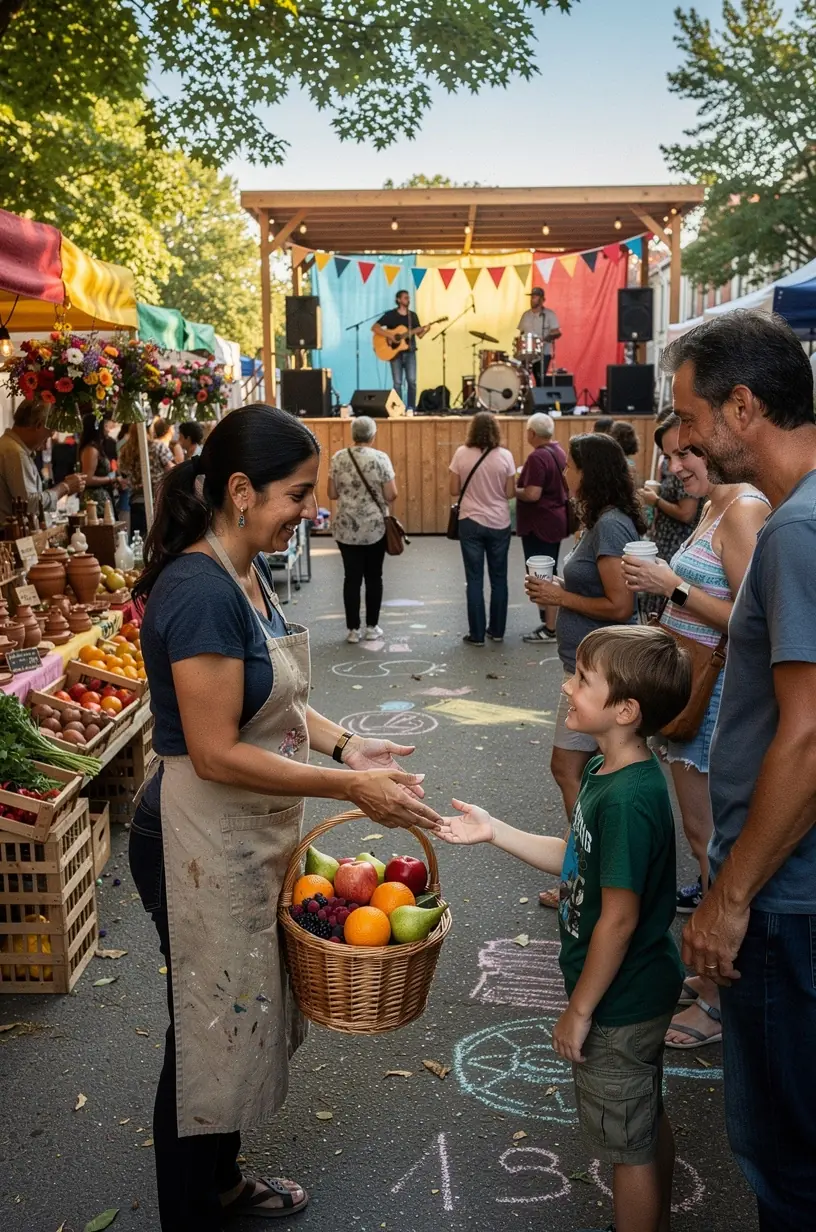
Small-scale performances, ranging from local theater productions to intimate concerts, play a significant role in fostering community engagement and cultural appreciation. This article explores their impact, supported by research and expert insights, to help you understand their value in today's social landscape.
Understanding the Basics of Small-Scale Performances
Small-scale performances typically involve fewer participants and audiences, creating a more personal and engaging experience. According to research conducted by the National Endowment for the Arts, these events can enhance community involvement and contribute to a greater appreciation of the arts.
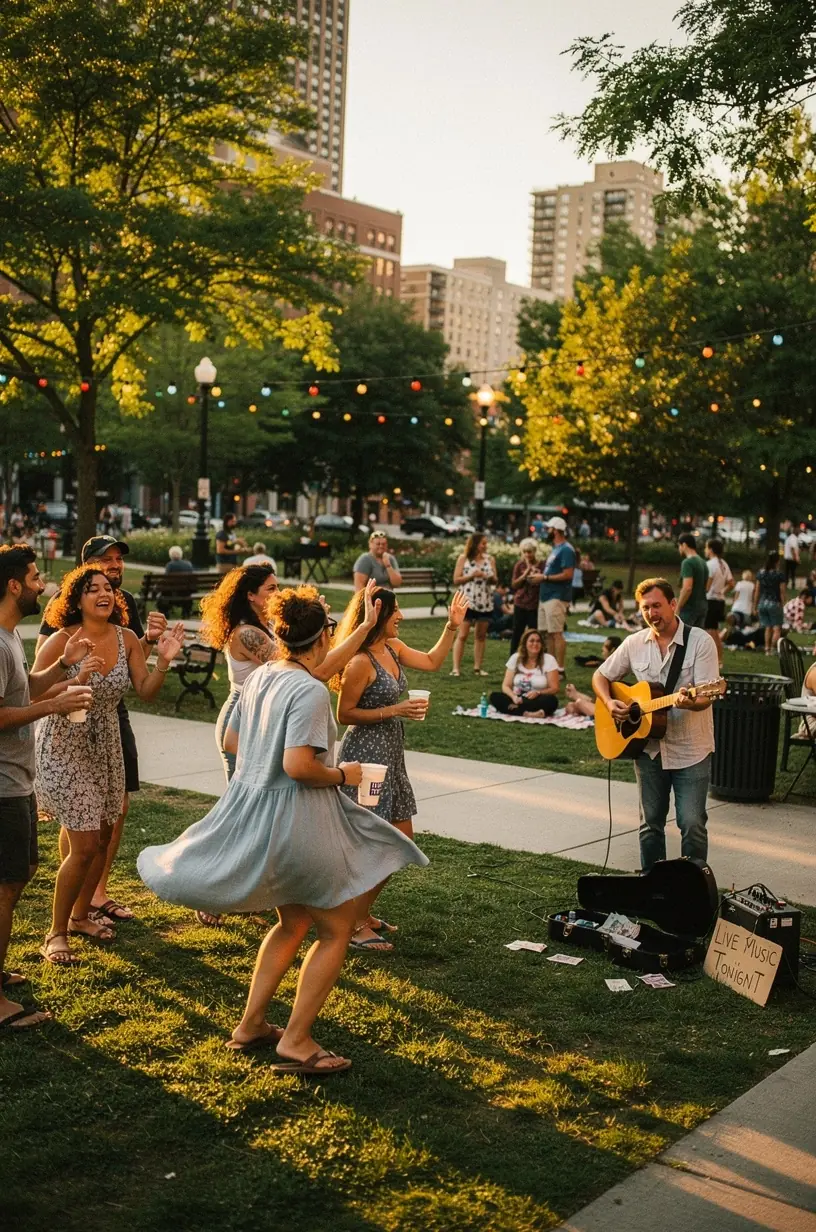
"Local performances can serve as a catalyst for community bonding, encouraging social interactions that often lead to a stronger sense of belonging." - Arts Research Institute
Why Small-Scale Performances Matter
Experts suggest that small-scale performances often provide essential benefits to communities and performers alike:
- Enhanced Community Engagement: These events are known to draw diverse groups together, fostering connections among attendees. Research shows that community engagement can lead to increased civic participation and social cohesion.
- Support for Local Talent: Small venues often showcase local artists and performers, providing them with a platform to share their work. Many users report that this exposure can lead to career opportunities and a stronger local arts scene.
- Accessible Art Forms: These performances are typically more affordable and accessible, making them suitable for a wider audience. This inclusivity encourages participation from individuals who may not attend larger events.
The Challenges and Limitations
While the benefits of small-scale performances are substantial, there are also challenges to consider:
- Limited Resources: Many small-scale events operate on tight budgets, which can restrict marketing efforts and audience reach. This often means that dedicated effort is needed to promote these events effectively.
- Time Commitment: Engaging in small-scale performances may require significant time investment from both organizers and participants. Typically, planning and rehearsals can take several weeks to months, depending on the complexity of the performance.
- Audience Size: Small performances may not attract large audiences, which can impact ticket sales and overall profitability. This financial aspect often requires a careful balancing act to ensure sustainability.
Conclusion: Embracing Small-Scale Performances
Small-scale performances offer a unique way to engage with the arts and foster community relationships. As demonstrated by various studies, these events can promote social interaction, support local artists, and increase accessibility to the arts. While challenges exist, understanding the potential impact can help communities and organizers navigate these hurdles effectively.
By prioritizing small performances, we can nurture a vibrant cultural scene that enriches our communities and supports local talent. Consider attending or organizing such events to experience the benefits firsthand and contribute to the growth of local arts.
Learn More