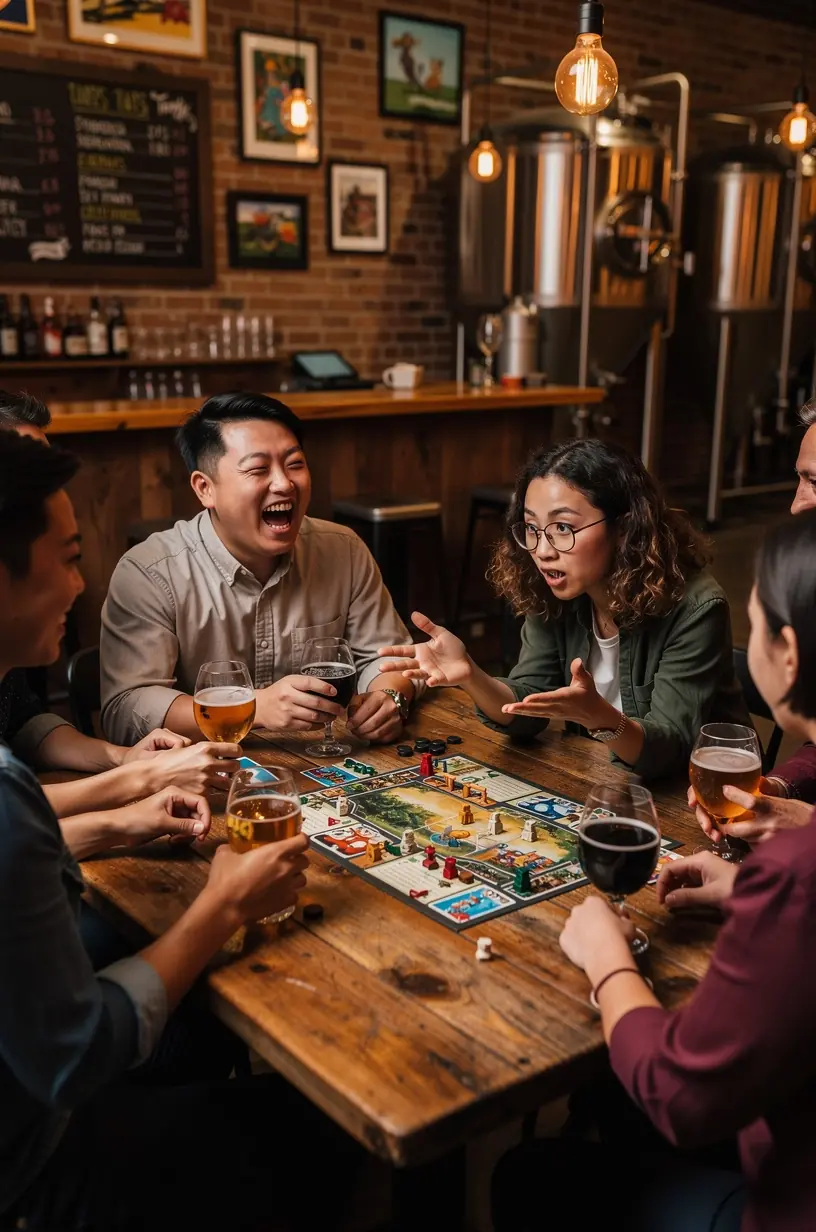
The Role of Games in Building Community Connections
In today’s fast-paced world, games have emerged not just as a form of entertainment but also as a vital tool for fostering community connections. This article explores how games can help strengthen social ties and build a sense of belonging among participants.
Understanding the Basics of Community Engagement through Games
Games have long been recognized for their ability to bring people together. According to research by Dr. Jane McGonigal, a game designer and author, playing games can significantly improve social cohesion and community engagement. This is primarily because games encourage communication and teamwork, allowing players to collaborate toward common goals.
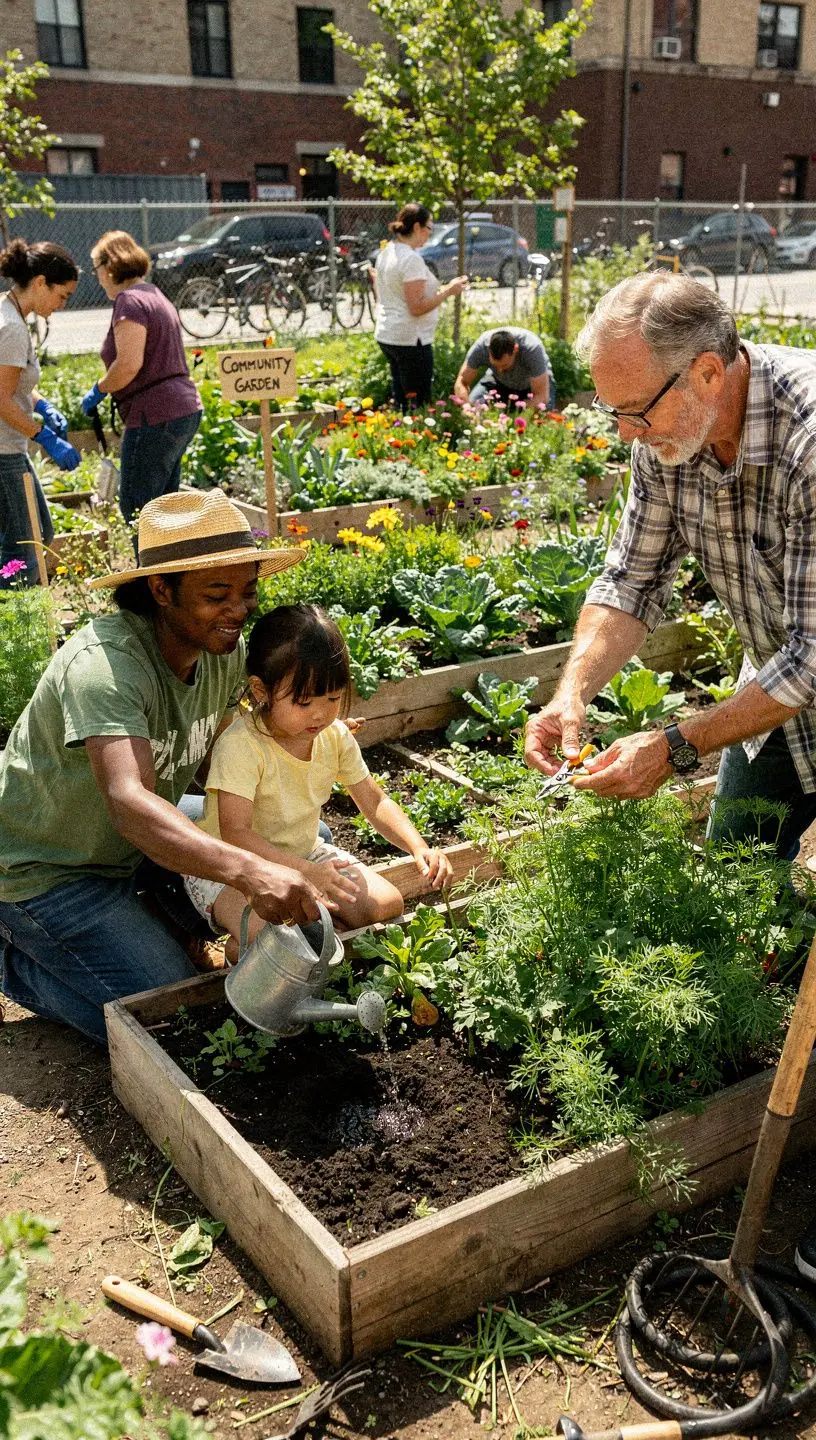
"Games often create a shared experience that fosters connections, making it easier for individuals to bond over mutual interests."
The Psychological Benefits of Gaming
Studies show that participating in games can lead to increased feelings of happiness and belonging. Many users report finding friends through gaming communities, which often transition into real-life friendships. The social interaction inherent in gaming can help reduce feelings of isolation and loneliness, which is particularly important in today's society where many people are physically distanced from family and friends.
Types of Games that Foster Connections
- Board Games: Often played in groups, board games foster face-to-face interaction and strategic collaboration.
- Team Sports: Participating in local leagues or pickup games can create bonds among teammates and even with competitors.
- Video Games: Multiplayer online games provide virtual environments where players can communicate and collaborate, often leading to friendships that extend beyond the game.
How to Get Involved and Build Community Connections
Getting involved in gaming communities typically involves a few key steps:
- Join Local Clubs or Groups: Many cities offer clubs for board games, tabletop RPGs, or sports. Engaging with these groups requires a time commitment but often leads to lasting friendships.
- Attend Meetups: Websites such as Meetup.com often list local gaming events. Attending these can help you meet new people with similar interests.
- Participate in Online Communities: Online platforms like Discord or Reddit host various gaming communities. Active participation can lead to real-life connections.
Acknowledge Limitations
While games can be effective in building community connections, they typically require a commitment of time and effort. Regular participation in gaming events or meetups may take several weeks or months to yield substantial social benefits. Additionally, some individuals may find it challenging to engage initially due to social anxiety or unfamiliarity with gaming culture.
Conclusion
In summary, games serve as a powerful medium for enhancing community connections. They provide shared experiences that foster bonds among participants. Although getting involved requires an investment of time and effort, the potential rewards—friendships, collaboration, and a sense of belonging—are often worthwhile. As the landscape of social interaction evolves, games will continue to play a pivotal role in connecting individuals and strengthening communities across the United States.
Learn More