Understanding Audience Dynamics at Live Events
Engaging an audience effectively at live events is a multifaceted process. This article delves into the dynamics of audience engagement and offers insights based on research and industry practices.
Understanding the Basics
Audience dynamics at live events involve understanding the motivations, behaviors, and interactions of attendees. According to research conducted by the Event Marketing Institute, successful events often depend on how well organizers understand their audience's preferences and expectations. This understanding helps in crafting experiences that resonate with participants, leading to higher levels of engagement and satisfaction.
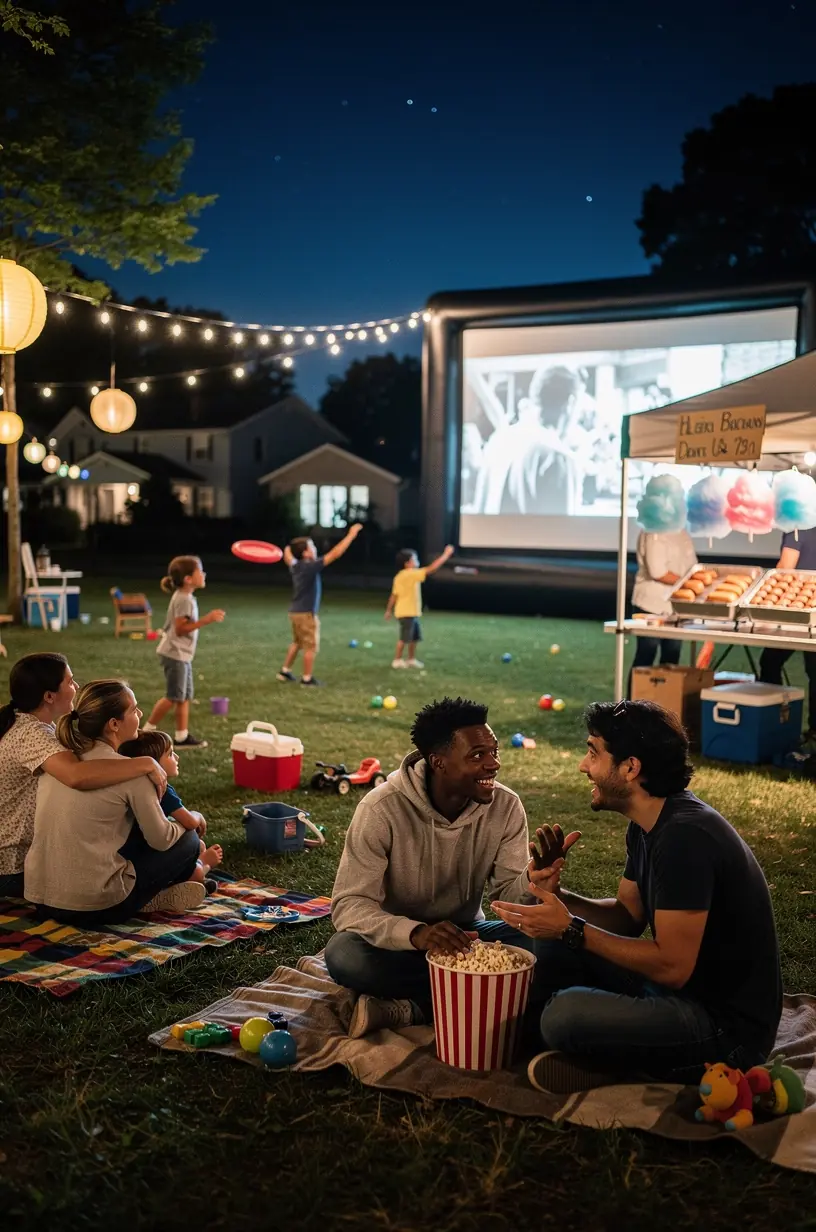
"Audience engagement is not just about entertainment; it's about creating a connection that fosters participation and loyalty."
Key Factors Influencing Audience Dynamics
- Demographics: The age, gender, and interests of attendees can significantly influence what types of activities or performances will be well-received. Tailoring your event to these factors can enhance the overall experience.
- Social Environment: Many users report that the atmosphere of an event, including the setup and interactions among participants, greatly affects their enjoyment and engagement levels. Research indicates that a welcoming and interactive environment can lead to increased participation.
- Content Relevance: Events that align closely with attendees' interests and needs typically see higher attendance rates and engagement. Experts recommend conducting surveys or utilizing social media insights to gauge audience preferences prior to planning.
Practical Application
To effectively engage your audience at live events, consider implementing the following strategies:
- Pre-Event Research: Invest time in understanding your target audience. This may involve surveys, focus groups, or analyzing past event attendance data. Research shows that this upfront work can lead to more tailored and engaging experiences.
- Interactive Elements: Incorporate opportunities for audience interaction, such as Q&A sessions, live polls, or networking activities. These elements not only enhance engagement but also foster a sense of community among attendees.
- Feedback Mechanisms: After the event, gather feedback to understand what worked well and what didn’t. This continuous improvement process is essential as it often involves learning from participant experiences to shape future events.
Acknowledging Limitations
It's important to note that understanding audience dynamics is an ongoing process. Implementing these strategies may require significant time and effort, and results may vary based on the event type and target audience. Additionally, factors such as location, timing, and economic conditions can influence attendance and engagement levels.
Conclusion
In conclusion, understanding audience dynamics at live events is vital for fostering engagement and creating memorable experiences. By focusing on audience research, interactive elements, and feedback mechanisms, organizers can enhance the overall appeal of their events. While challenges may arise, the insights gained from understanding your audience can lead to more successful and enjoyable gatherings.